
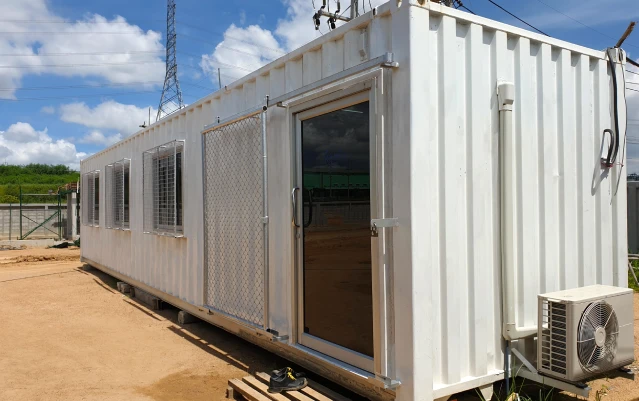



JEF-AT’s Modular Expansion Facilities (MEFs) are rapid-deployment infrastructure systems built to function in unpredictable, high-stress environments. Each facility is delivered in ISO-standard container form factors and engineered to be operational within 30 minutes of arrival—with setup possible by a single individual.
With hybrid power integration, EMI shielding, and multi-modal transport compatibility, MEFs adapt to harsh operational demands. Their durability ensures uptime in hurricane, flood, or post-conflict conditions.
Configurable Use-Cases:
- Mobile field hospitals and triage clinics
- Tactical command and control centers
- Emergency kitchens and food distribution points
- Temporary classrooms or training facilities
- Secure warehousing or processing hubs
- Mobile dormitories or basecamp living quarters
Each facility complies with CFR Title 44 and QAQC Military Standard 125, and is stress-tested for resilience in disaster-prone areas—hurricanes, tornadoes, and extreme temperature zones. Field-proven across recovery missions and tactical operations, MEFs replace delay with action—when infrastructure can’t wait.
JEF-AT addresses one of the most overlooked climate contributors: agricultural methane emissions. While global policy still focuses on broad carbon credit schemes and underperforming carbon capture systems, our proprietary agricultural facilities take a different route—eliminating emissions at their source.
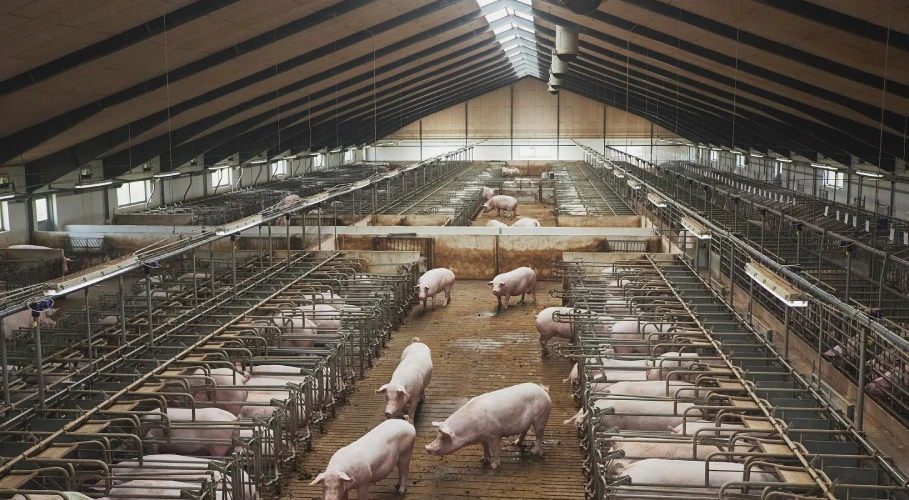
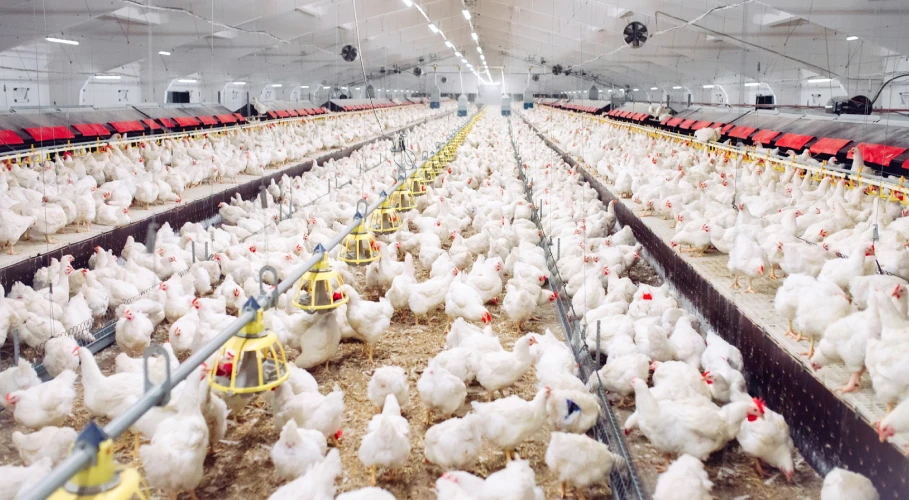
Our livestock facility systems serve poultry, swine, and other high-emission livestock operations. This closed-loop system increases productivity while protecting both human and environmental health. Small growers gain industrial-grade performance, and larger operations gain regulatory certainty in a climate-constrained economy.
System Capabilities:
Zero-Carbon Livestock Operations – No greenhouse gas emissions from poultry or swine facilities
Enhanced Production Efficiency – Healthier animals, lower mortality, and an additional flock cycle per year (7 vs. 6)
Integrated Hydroponics – Processed bedding converted into enriched growing medium
Air Quality Control – Dual-barrier internal systems protect against H5N1 Avian Flu and other pathogens
Grain Storage Safety – Combustible dust containment reduces risk of fatal storage facility explosions
With livestock accounting for 75% of agriculture-related emissions, our systems offer a path not just to compliance—but to climate leadership through design. Our designs meet or exceed EPA standards and redefine the possibilities of agricultural engineering.
Precision-Built for Pressure Zones.
JEF-AT offers applied infrastructure consulting with deep expertise in operational transformation, disaster management, and regulatory alignment. We serve state agencies, federal institutions, and private manufacturers with full-spectrum services across infrastructure design, emergency operations, and organizational restructuring.
Our emergency response consulting includes:
Infrastructure audits across power, communications, and logistics
Inventory management with precision controls (achieving 98.3% accuracy across multi-year FEMA deployments)
Deployment of logistics centers, mobile command units, and asset tracking
On the strategic front, we assist in business continuity planning:
Evaluating operational bottlenecks in manufacturing, distribution, and labor
Designing restructuring programs that preserve critical IP while improving financial efficiency
Coordinating seamless manufacturing transfers—domestically or internationally—including tooling, QA/QC inspections, and federal certifications
JEF-AT also guides clients through complex certification landscapes:
EPA, FDA, USDA, UL, and CSA compliance
CFR Title 44 adherence
QAQC for Military Standard 125
We don’t simply advise—we implement, calibrate, and deliver under real-world constraints.

Hurricane Sandy
Infrastructure Failure Analysis Lessons in Critical System Vulnerabilities
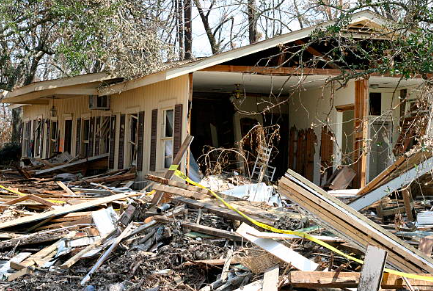
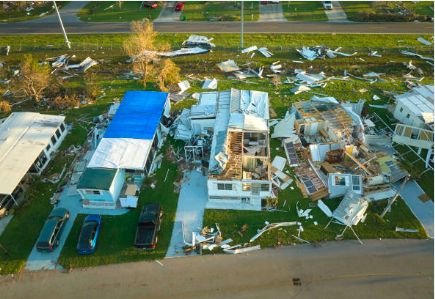
Hurricane Sandy exposed fundamental weaknesses in emergency response infrastructure and coordination systems. Communication breakdowns, supply chain failures, and inadequate temporary shelter solutions created cascading failures that amplified human suffering. JEF-AT's MEF systems directly address these vulnerabilities through rapid-deployment capabilities, integrated communications, and self-sufficient power systems. Our modular approach enables pre-positioning of critical infrastructure components, reducing response times from days to hours when disaster strikes
Hurricane Zeta
Field-Tested Response Systems Proven Coordination Under Crisis Conditions
During Hurricane Zeta response operations in Mississippi, scattered crews and vehicles created operational chaos that delayed power restoration and emergency services. JEF-AT implemented command structure, restored communications infrastructure, and streamlined power line recovery operations within 48 hours. Our field command centers provided the operational backbone that transformed chaotic response into coordinated recovery. This deployment demonstrated the critical importance of deployable infrastructure that functions immediately upon arrival.
Carbon Reductions
Addressing the Root Cause, Not the Symptom
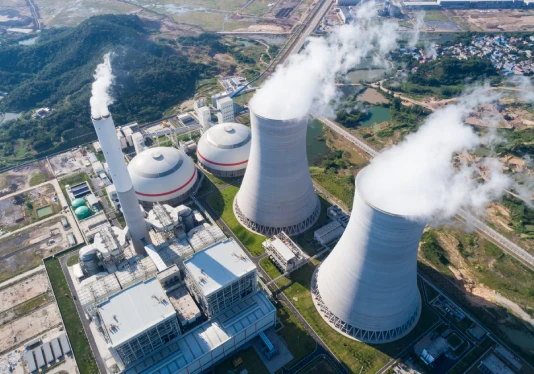
Carbon Reductions technology struggles to achieve meaningful emission reduction toward Paris Agreement targets. JEF-AT's approach eliminates emissions at the source through zero-emission livestock facilities. With agriculture responsible for 28-32% of global emissions and livestock accounting for 75% of agricultural emissions, our technology addresses the largest controllable emission source. Rather than attempting to capture emissions after release, we prevent them entirely while increasing agricultural productivity and animal health. This represents true environmental engineering rather than post-emission mitigation.
Hurricane Katrina
Infrastructure Failure Analysis Lessons in Critical System Vulnerabilities
Hurricane Katrina exposed fundamental weaknesses in emergency response infrastructure and coordination systems. Communication breakdowns, supply chain failures, and inadequate temporary shelter solutions created cascading failures that amplified human suffering. JEF-AT's MEF systems directly address these vulnerabilities through rapid-deployment capabilities, integrated communications, and self-sufficient power systems. Our modular approach enables pre-positioning of critical infrastructure components, reducing response times from days to hours when disaster strikesHurricane Zeta
Field-Tested Response Systems Proven Coordination Under Crisis Conditions
During Hurricane Zeta response operations in Mississippi, scattered crews and vehicles created operational chaos that delayed power restoration and emergency services. JEF-AT implemented command structure, restored communications infrastructure, and streamlined power line recovery operations within 48 hours. Our field command centers provided the operational backbone that transformed chaotic response into coordinated recovery. This deployment demonstrated the critical importance of deployable infrastructure that functions immediately upon arrival.FEMA-DR-1604-MS
Inventory Control Excellence Setting Federal Benchmarks for Disaster Logistics
Our inventory management systems achieved 98.3% accuracy over a three-year FEMA disaster response mission, establishing a federal benchmark for disaster logistics operations. Traditional disaster response suffers from supply chain confusion, duplicate orders, and resource waste. JEF-AT's inventory control systems provide real-time tracking, automated reorder protocols, and resource allocation optimization. This precision in resource management translates directly to faster response times and reduced operational costs during extended disaster operations.Carbon Capture
Addressing the Root Cause, Not the Symptom
Carbon capture technology struggles to achieve meaningful emission reduction toward Paris Agreement targets. JEF-AT's approach eliminates emissions at the source through zero-emission livestock facilities. With agriculture responsible for 28-32% of global emissions and livestock accounting for 75% of agricultural emissions, our technology addresses the largest controllable emission source. Rather than attempting to capture emissions after release, we prevent them entirely while increasing agricultural productivity and animal health. This represents true environmental engineering rather than post-emission mitigation.Ready to Deploy Mission-Critical Infrastructure?
Contact JEF-AT for secure briefing and operational assessment.